

What Happens to the Security Deposit at Closing

When you sell a tenant-occupied 2-4 unit, you're holding money that isn't really yours — the tenants' security deposits. Those deposits have to be accounted for at closing, because the obligation to return them follows the building to the new owner. It's a small line item that causes outsized confusion, so here's how it actually works.
The deposits transfer to the buyer
In a tenant-occupied sale, the security deposits transfer from the seller to the buyer. The logic is simple: the new owner becomes the landlord, the leases transfer to them, and the obligation to return each deposit (subject to lawful deductions) at the end of the tenancy goes with that obligation. The buyer should hold the deposits going forward.
How it shows up at closing
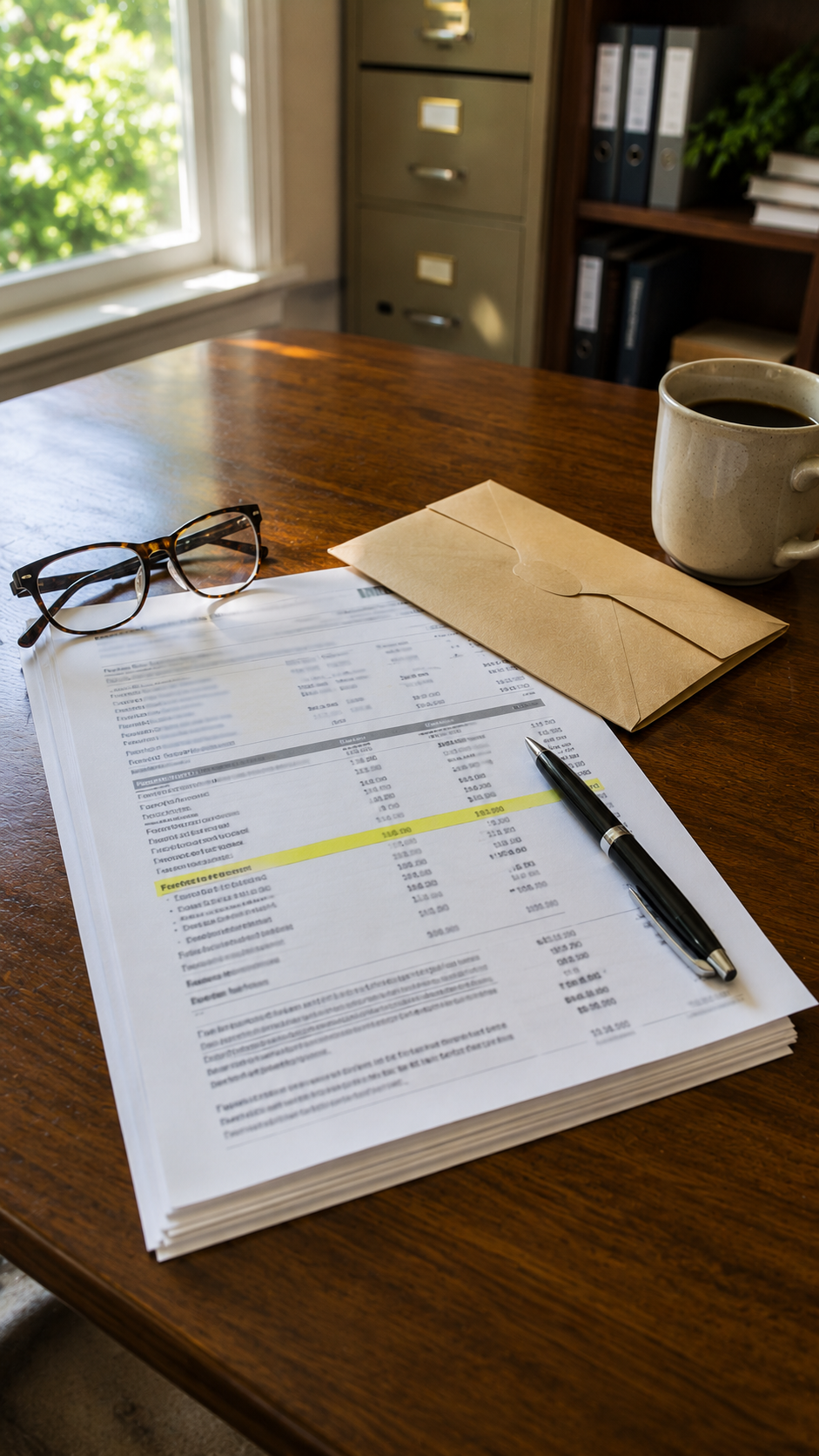
On the settlement statement, the deposits are handled as a credit to the buyer. Rather than physically handing over cash, the total deposit amount is deducted from the seller's proceeds and credited to the buyer at the table. The buyer then holds that amount as the deposits going forward.
So if you're holding $3,300 in deposits across three units, expect roughly $3,300 to come off your side at closing and be credited to the buyer. It's not a cost — it was never your money — but it does reduce the net wire you receive, which surprises sellers who forgot they were holding it.
Pennsylvania's deposit rules, briefly
Pennsylvania law governs how security deposits are held and returned. A few relevant points for a sale:
Deposits are the tenant's money held in trust, not the landlord's income.
At the end of a tenancy, the landlord (now the buyer) must return the deposit, less lawful deductions, within the statutory window.
The transfer at sale doesn't reset the tenant's rights — the new owner inherits the same obligations.
Because the deposit accounting carries legal weight, getting it right at closing protects both parties.
Who notifies the tenant
Tenants should be told, in writing, that their deposit has transferred to the new owner — typically as part of the broader notice-of-sale letter. The tenant needs to know who is now holding their deposit, because that's who they'll look to for its return when they move out. Clear notice here prevents a tenant from later claiming the deposit "disappeared" in the sale.
Common errors to avoid
Forgetting deposits exist. A seller who doesn't track deposits can be caught off guard by the credit at closing — or worse, can't document how much is actually owed.
No documentation of the amounts. The settlement company needs accurate per-unit deposit figures. Pull them from your records before closing.
Spending the deposits. Deposits are held in trust; if they were commingled and spent, the seller still owes the full amount at closing.
No written notice to tenants. Skipping the tenant notification invites disputes later.
A direct option in York County
I'm Ed Lane, a local buyer in York County actively buying 2-4 unit rental properties directly from owners. On a tenant-occupied purchase, I take the deposits by credit at closing and the tenants get written notice that I now hold them — clean handoff, properly documented. It's a small step, but doing it right protects the seller from a deposit dispute after they've moved on.
For a plain-language framework on what a direct-to-buyer sale on a 2-4 unit actually looks like, visit yellowhousebuyers.com/free-guide.
If you'd like to talk through your specific situation, reach me through the site or call 717-347-6770.
This piece is general information about security deposit handling on York County rental sales, not legal advice. Pennsylvania security deposit law has specific requirements — consult a real estate attorney or your settlement company for your situation.
Want to talk about your specific situation?
I'm Ed Lane at Yellow House Buyers, LLC. I'm actively looking to buy 2-4 unit rental properties in York County directly from owners. I buy to hold long-term — not to flip, not to wholesale. If you want a no-pressure conversation about your property, here's how to reach me.
Or download the free 2026 York County Landlord's Strategy Guide — it walks all six selling scenarios with the actual math.


Comments