
What a Typical Seller-Financing Term Sheet Looks Like

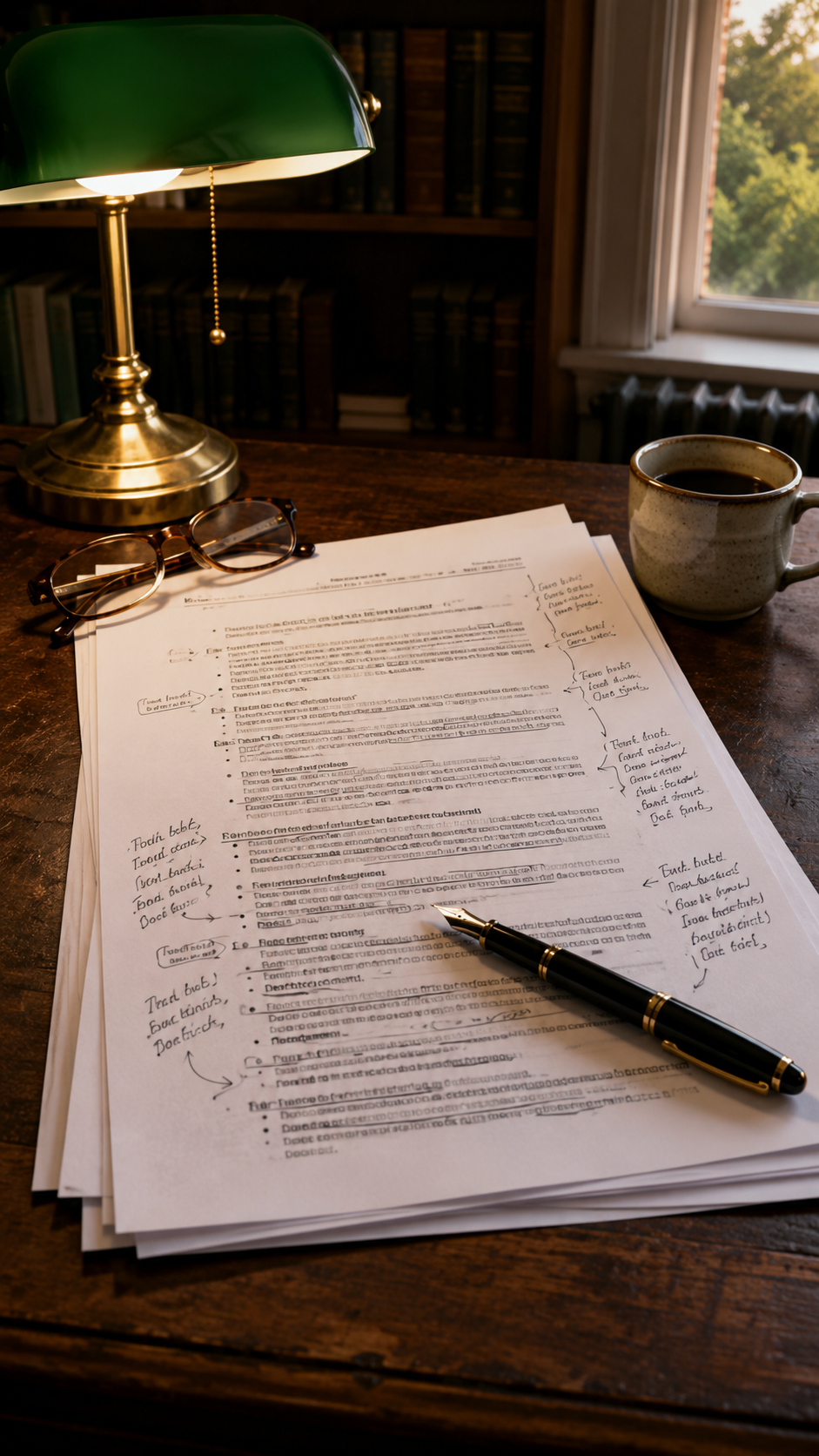
When an owner agrees to carry a note, the conversation quickly moves from "yes, I'll finance it" to "on what terms?" The term sheet is where the deal actually gets defined — and every line on it shifts risk and return between buyer and seller. Here's the anatomy of a typical seller-financing term sheet on a York County 2-4 unit, in plain language.
The seven lines that matter
1. Purchase price. The agreed sale price. In a seller-carry deal, price and terms trade against each other — a seller may accept a slightly higher price in exchange for a higher rate, or vice versa. Price isn't the only lever anymore.
2. Down payment. What the buyer puts down at closing, usually 10–20% on a seller-financed rental. The down payment is the seller's first protection: it's the buyer's skin in the game and the cushion if anything goes wrong early. More down = lower seller risk.
3. Interest rate. The rate the buyer pays on the unpaid balance. On a seller-carry in 2026 this is typically negotiated to land somewhere between a bank investment-property rate and a hard-money rate — fair to both sides. (Covered in its own piece.)
4. Amortization. The schedule the payment is calculated on — often 20–30 years, which keeps the monthly payment affordable for the buyer even though the note won't actually run that long.
5. Term / balloon. How long until the balance comes due in full. Most seller carries run a 3–7 year term with a balloon — the buyer makes monthly payments calculated on the long amortization, then refinances or sells to pay off the remaining balance at the balloon date. This caps how long the seller is in the deal.
6. Payment. The actual monthly principal-and-interest figure, set by the rate + amortization. Some notes also escrow taxes and insurance; many leave the buyer responsible to pay those directly (with proof required).
7. Default protections. What happens if the buyer stops paying — late fees, a cure period, and the seller's remedy (foreclosure on the note). This is the section that protects the seller, and it's where an attorney earns their fee.
A simple illustrative example
On a $300,000 sale: 15% down ($45,000), a $255,000 note at a negotiated rate, amortized over 30 years, with a 5-year balloon. The buyer makes an affordable monthly payment for five years, then refinances the ~$235,000 remaining balance with a bank (or sells). The seller collects the down payment, five years of monthly principal and interest, and the balloon payoff. (Illustrative numbers only.)
What protects the seller
Beyond the down payment and default clause, three things matter:
A recorded mortgage/deed of trust + promissory note, drafted by an attorney, so the seller's lien is enforceable.
Proof the buyer keeps taxes and insurance current (a lapse there can wipe out the collateral).
The balloon itself — it limits the seller's exposure to a defined window rather than 30 years.
What's negotiable
Almost everything trades: price vs. rate, down payment vs. term, balloon length vs. monthly payment. A seller who wants a faster exit pushes for a shorter balloon; a buyer who wants lower payments pushes for longer amortization. Knowing which levers matter to you is how you negotiate from a position of clarity.
A direct option in York County
I'm Ed Lane, a local buyer in York County actively buying 2-4 unit rental properties directly from owners. When a seller is open to carrying a note, I work to structure terms that are genuinely fair to both sides — a down payment that protects you, a rate that's reasonable, and a balloon that gives you a defined exit.
For a plain-language framework on what a direct-to-buyer sale on a 2-4 unit actually looks like, visit yellowhousebuyers.com/free-guide.
If you'd like to talk through your specific situation, reach me through the site or call 717-347-6770.
This piece is general information about seller-financing terms, not investment, legal, or tax advice. A seller-carried note must be papered by a real estate attorney to be enforceable — never use a generic template for the note and mortgage.
Want to talk about your specific situation?
I'm Ed Lane at Yellow House Buyers, LLC. I'm actively looking to buy 2-4 unit rental properties in York County directly from owners. I buy to hold long-term — not to flip, not to wholesale. If you want a no-pressure conversation about your property, here's how to reach me.
Or download the free 2026 York County Landlord's Strategy Guide — it walks all six selling scenarios with the actual math.


Comments