

When Summer Maintenance Signals It's Time to Sell

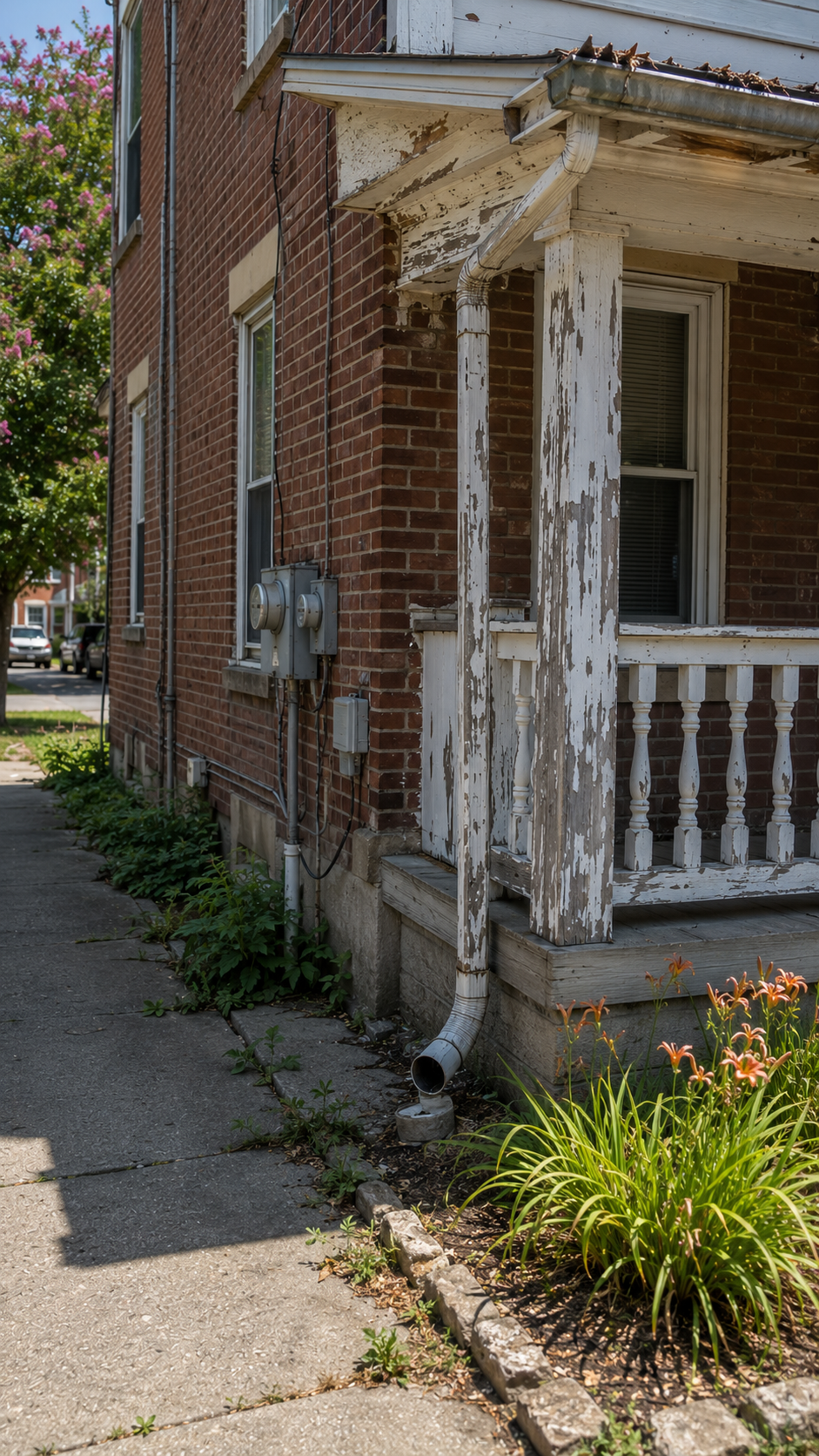
Summer is hard on buildings. Heat stresses HVAC, storms find the roof, and humidity surfaces moisture problems that hid all winter. For a landlord, the summer repair list is normal — until it isn't. Here's how to tell when maintenance crosses from an ordinary operating cost into a signal that the property is telling you something.
Normal cost vs. a signal
Every rental costs money to keep running. A failed AC compressor, a summer turnover, a fence repair — that's the job, and it's priced into owning. The question isn't whether you're spending; it's what the spending means. A signal looks different from a cost:
Repairs are clustering — multiple unrelated systems failing in one season.
They're getting bigger — from $300 fixes to $3,000 ones.
They're structural, not cosmetic — roof, foundation, major systems, not paint and fixtures.
You're patching the same thing twice — the AC you fixed in June fails again in August.
One of these is a bad month. Several together is the building entering the phase where the next decade costs more than the last.
The big-ticket cluster
Roofs, heating and cooling systems, electrical service, and major plumbing all have lifespans — and on York County's older stock, they tend to come due around the same time. When two or three of those are simultaneously near end-of-life, you're not looking at maintenance anymore; you're looking at a capital-replacement cycle. That's the moment a lot of owners quietly start doing the "fix it or sell it" math.
The honest "fix it or sell it" math
When a big repair lands, run the real comparison: the cost to fix it (and the others coming behind it), against what the building is worth and earns. Sometimes the fix is clearly right — it protects a performing asset. Sometimes you're pouring capital into a building whose return no longer justifies it, mostly because selling feels like more hassle than another repair. That's exactly when the signal is worth heeding.
What it means if you're at that point
If the summer list has tipped from "operating cost" to "this property keeps asking for money," you have options beyond writing another check. You don't have to do the repairs to sell — a buyer who takes the building as-is is absorbing that capital cycle instead of you.
A direct option in York County
I'm Ed Lane, a local buyer in York County actively buying 2-4 unit rentals directly from owners — including buildings with a real repair list ahead of them. I buy in current condition, so you can hand off the capital cycle instead of funding it, and I'll give you an honest number for the building as it stands.
For a plain-language framework on a direct 2-4 unit sale, visit yellowhousebuyers.com/free-guide.
If you'd like to talk through your building, reach me through the site or call 717-347-6770.
This piece is general information, not investment, legal, or tax advice. Every property is different — work with the professionals who know your specific situation.
Want to talk about your specific situation?
I'm Ed Lane at Yellow House Buyers, LLC. I'm actively looking to buy 2-4 unit rental properties in York County directly from owners. I buy to hold long-term — not to flip, not to wholesale. If you want a no-pressure conversation about your property, here's how to reach me.
Or download the free 2026 York County Landlord's Strategy Guide — it walks all six selling scenarios with the actual math.


Comments